
By SM Electrical on Oct 09, 2026
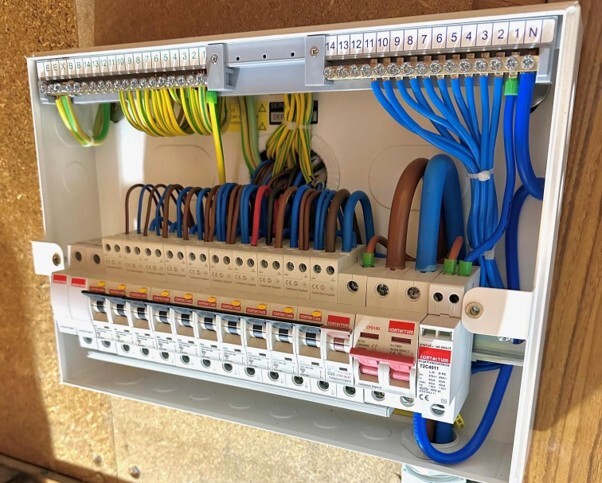
Homeowners frequently ask: how long does a consumer unit last before it needs replacing? The answer is that there is no fixed lifespan. Its condition, safety features, and suitability for the property matter more than its age alone.
Understanding when a consumer unit may need attention can help you make informed decisions about the safety and future electrical needs of your home.
Condition Matters More Than A Fixed Age
Unlike many household appliances, a consumer unit should be assessed based on its condition, protective features, and suitability for the property rather than age alone.
A well-maintained consumer unit may remain suitable for many years, while another may need attention sooner because of deterioration, inadequate protection, or changes to the electrical installation.
Age is therefore only one consideration. The condition of the unit, the protective devices it contains, and whether it remains suitable for the property are more important when deciding whether to replace a consumer unit.
Signs An Older Unit May Need Assessing
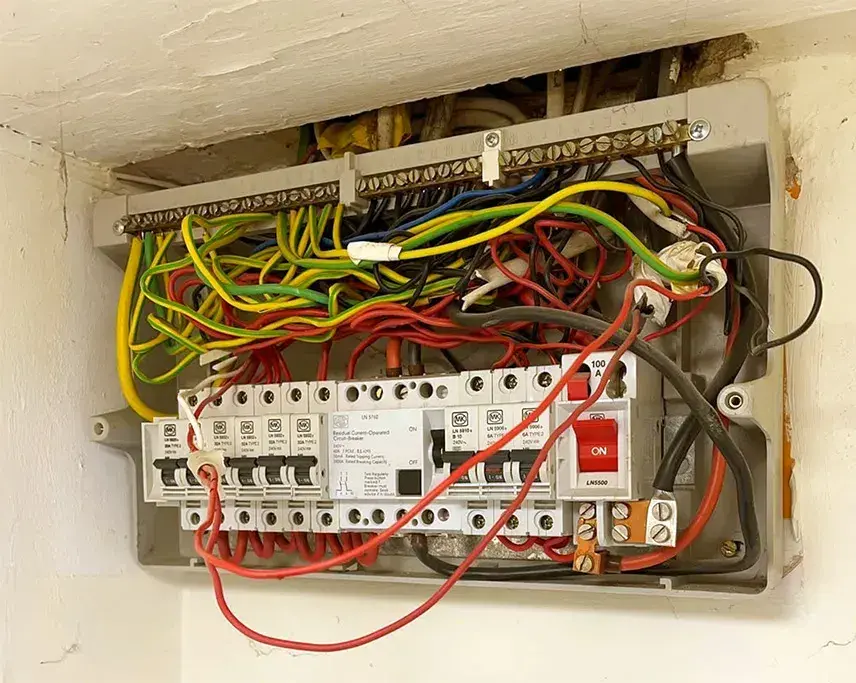
Older consumer units can differ considerably from modern installations. Some may contain rewireable fuses, older circuit breakers, or limited RCD protection.
However, an older consumer unit does not automatically need replacing simply because it contains rewireable fuses or older protective devices. In some existing installations, these components may still provide satisfactory protection.
It is sensible to have the installation professionally assessed if you notice:
- A wooden backing or noticeably dated enclosure
- Rewireable fuses rather than modern circuit breakers
- Limited or no RCD protection
- Visible scorching, cracking, discolouration, or other damage
- Insufficient space for additional circuits needed for future electrical work
An electrician can determine whether the existing unit remains suitable or whether an upgrade would provide better protection and functionality.
Persistent Tripping And Signs Of Physical Damage
Repeated tripping should not simply be ignored.
Circuit breakers and RCDs are designed to disconnect power when they detect certain faults or unsafe conditions. If they trip frequently, there may be an issue with an appliance, circuit, or part of the wider electrical installation.
Warning signs such as burning smells, buzzing or crackling noises, excessive heat, scorch marks, or visible damage can indicate an electrical fault and should be investigated promptly by a qualified electrician.
These problems do not necessarily mean the entire consumer unit must be replaced, but they are a clear reason to have the installation checked.
Home Renovations And Increased Electrical Demand
Modern homes can place greater demands on electrical installations, particularly when new appliances or equipment are added.
It is therefore sensible to review the consumer unit when carrying out projects such as:
- Building an extension or loft conversion
- Installing an EV charger
- Renovating a kitchen or bathroom
- Adding a garden office or workshop
- Installing new outdoor power or lighting
- Adding further electrical circuits
Major home improvements often involve changes to the electrical installation and may require additional circuits.
Some older consumer units may not have enough capacity or suitable protection for the planned work. In these cases, replacing a consumer unit may form part of the wider electrical upgrade.
Modern Consumer Units Offer Improved Protection
Modern consumer units can include a range of protective devices designed to improve electrical safety and reduce the impact of faults.
Depending on the installation, these may include:
- RCDs (Residual Current Devices): Designed to disconnect the electricity when certain earth faults are detected, helping to protect against electric shock.
- RCBOs (Residual Current Breakers with Overcurrent protection): Combine residual-current and overcurrent protection for an individual circuit, which can help limit the impact of a fault to the affected circuit.
- SPDs (Surge Protection Devices): Help protect electrical equipment and appliances from sudden voltage surges.
- AFDDs (Arc Fault Detection Devices): Designed to detect certain types of electrical arcing and disconnect the affected circuit to help reduce fire risk.
Not every installation requires exactly the same combination of devices, so the appropriate setup should be determined by the electrician carrying out the work.
These devices can provide additional safety and reassurance where the existing installation lacks suitable protection.
Professional Inspection Is The Best Way To Know
It is not always possible to determine the condition of an electrical installation simply by looking at the consumer unit from the outside.
The most reliable way to understand whether your current setup remains suitable is to have the electrical installation professionally inspected and tested.
An Electrical Installation Condition Report (EICR) can identify damage, deterioration, defects, and other issues that may affect electrical safety. For owner-occupied homes, periodic inspection is generally recommended at least every ten years.
The findings can help an electrician determine whether:
- The existing consumer unit remains suitable
- Additional protection is needed
- Repairs or smaller improvements would be sufficient
- Full consumer unit replacement is appropriate
This is important because an older installation does not automatically need replacing simply because it does not match every feature of a newly installed system. Older protective devices may remain serviceable where they continue to provide satisfactory protection.
When Should You Replace A Consumer Unit?
So, how long does a consumer unit last? There is no single answer. Some units can remain serviceable for many years, while others may need upgrading because of deterioration, inadequate protection, repeated faults, or changes to the electrical demands of the property. The best approach is to have the installation assessed by a qualified electrician before deciding whether to replace a consumer unit or whether smaller improvements would be sufficient.
If you’re based in Potters Bar, Hertfordshire, North London, or the surrounding areas, SM Electrical Services can assess your consumer unit and advise on the most suitable next steps.
Unsure whether your consumer unit is still suitable for your home? Contact SM Electrical Services for a professional assessment and clear advice on whether replacement is needed.
Tripping Fuse Box?

Safety Precautions When Setting Up Christmas Lights Around the Home and Garden
No Comments Yet
Let us know what you think